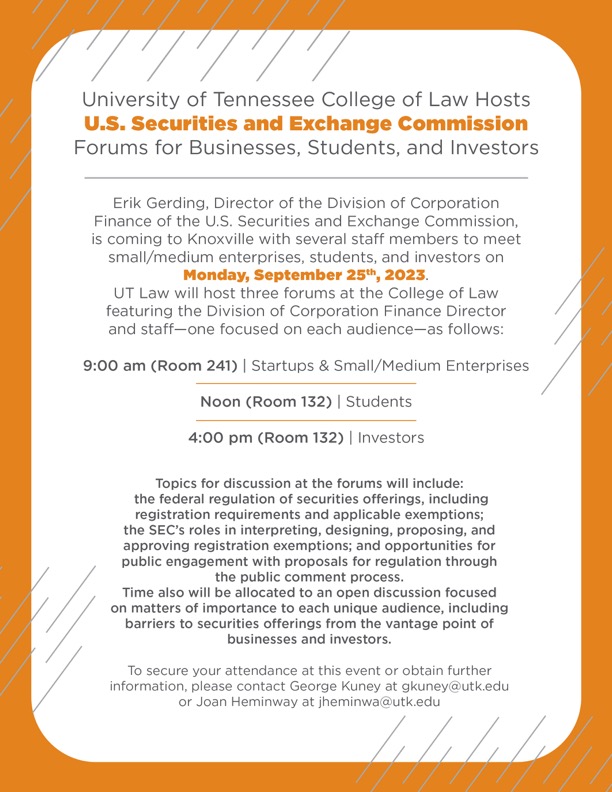
The University of Chicago Business Law Review recently published an interesting and engaging article written by David Rosenfeld. The article is entitled “Insider Abstention and Rule 10b5-1 Plans” and is available on SSRN. The SSRN abstract for David’s article follows.
Company insiders will typically be in possession of material non-public information (MNPI) about their companies. In order to allow insiders the opportunity to trade, the SEC adopted Rule 10b5-1, which provides an affirmative defense to insider trading liability if the trades are made pursuant to a written plan or trading instruction entered into when the trader was not aware of MNPI. Over the years, there has been considerable concern that insiders were abusing Rule 10b5-1 plans by adopting plans just prior to trading, adopting multiple plans, or even terminating plans when they turned out to be unprofitable. The SEC recently adopted new rules designed to curb some of the more abusive practices, but one significant problem remains: while Rule 10b5-1 plans are supposed to be irrevocable, insiders who back out of plans have so far escaped liability under the central anti-fraud provision of the federal securities laws, principally because a violation of that provision requires an actual trade.
The